
Many of our favorite destinations are deeply connected to Buddhist history, including sacred pilgrimage sites in India, mountaintop monasteries in Japan, the iconic Tiger’s Nest hike in Bhutan (!), and temple-filled cities across Southeast Asia.
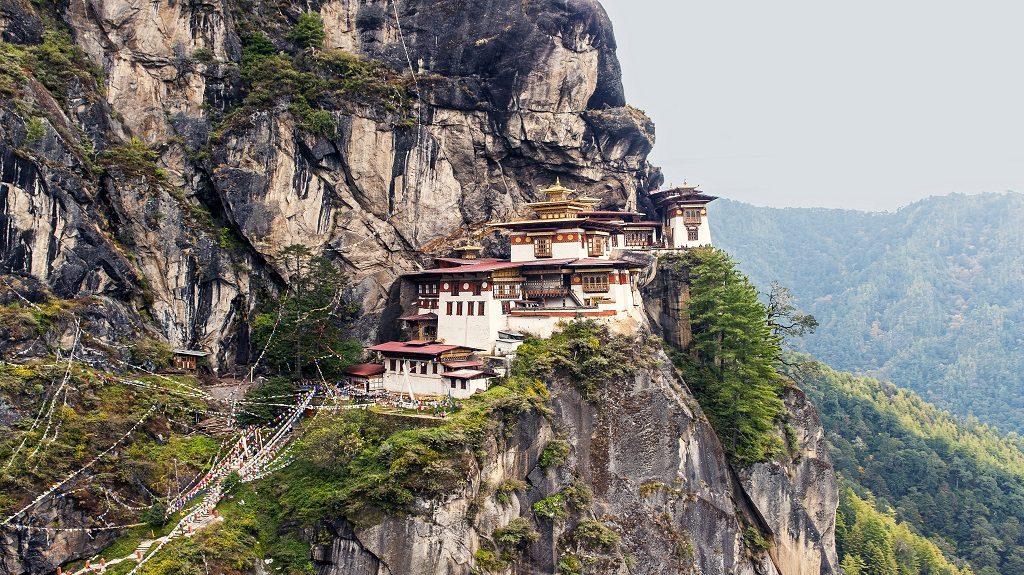
We feel a trip to Bhutan is wholly incomplete without the arduous Tiger’s Nest hike to Paro Taktsang. Hugging the side of a cliff 3,000 feet above the Paro Valley, the Himalayan Buddhist monastery is one of the most sacred and venerated sites in the country. Visited by Shubdrung Ngawang Namgyal in 1646, Tiger’s Nest is both visually surreal historically fundamental.
6th Century BC – The Beginning
Lumbini, India
The story of Buddhism is said to have begun with the birth of Siddhartha Gautama, the founder of Buddhism, in Lumbini (present-day Nepal). Though the exact year of his birth is contested, this took place in the 6th Century B.C. Today, Lumbini remains one of the holiest sites in Buddhism and was designated a UNESCO World Heritage Site in 1997. After years of spiritual searching and meditation, Siddhartha attained enlightenment and became known as the Buddha, or “the Enlightened One.”
Sarnath, India
6th Century B.C.
At around 35 years old, the Buddha delivered his iconic first sermon in Sarnath, India, titled The Setting in Motion of the Wheel of Dharma. In this teaching, he explained the causes of suffering and the path toward liberation. This became the foundation for Buddhist doctrine, and Sarnath became one of the four most important pilgrimage sites in Buddhism.
Located approximately 7.5 miles from Varanasi, Sarnath is a perfect day trip option for our India travelers (!). The site includes temples, stupas, a deer park where the sermon was believed to have taken place, and statues depicting the Buddha teaching his first five disciples beneath a tree.
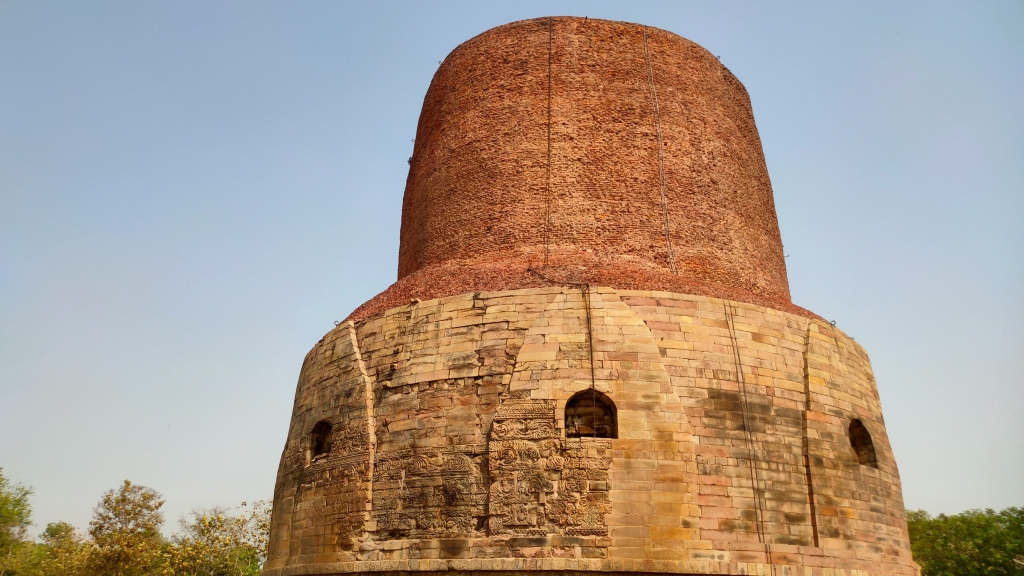
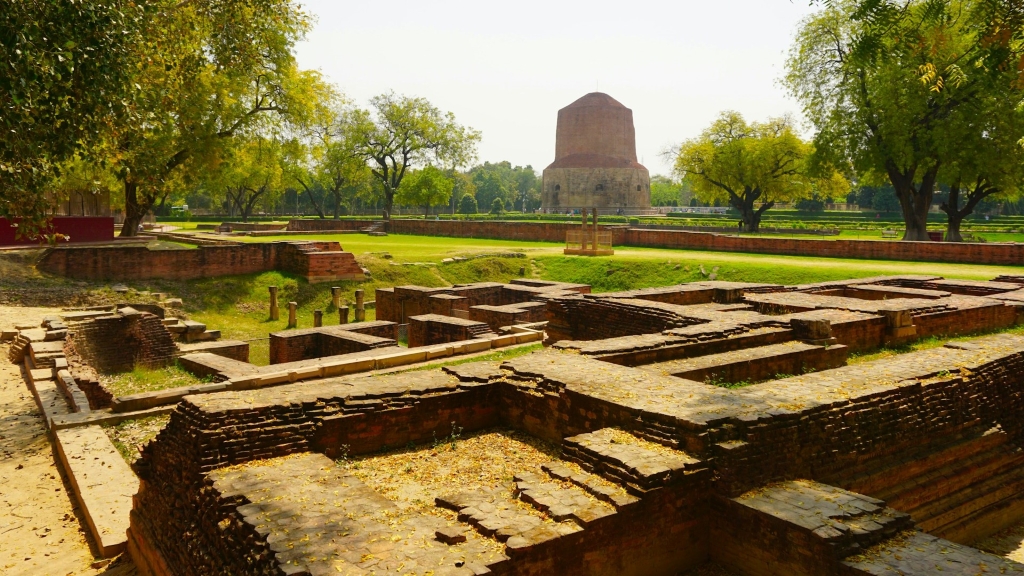
The massive 141-foot-tall Dhamek Stupa marks the exact spot where Lord Buddha delivered his first sermon to his five disciples after attaining enlightenment.
3rd Century BC – The Spread of Theravada Buddhism
Sri Lanka, Southeast Asia
By the 3rd century BC, Buddhism began spreading beyond India into Sri Lanka and throughout Southeast Asia. Much of this expansion was influenced by Ashoka the Great, the ruler of the Mauryan Empire in India. After converting to Buddhism, Ashoka became one of the religion’s greatest supporters. He made a pilgrimage to Lumbini and erected a pillar honoring the Buddha’s birthplace. Under his rule, Buddhist teachings and missionaries spread widely throughout the region.
This early form of Buddhism became known as Theravada Buddhism, which remains the dominant tradition today in countries such as Thailand, Sri Lanka, Myanmar, Laos, and Cambodia.
1st Century BC – The Rise of Mahayana Buddhism
Indian Subcontinent
By the 1st century BC, a new branch of Buddhism called Mahayana Buddhism emerged. This tradition expanded across East Asia and eventually became the predominant form of Buddhism in China, Korea, and Japan.
Unlike Theravada Buddhism, which focuses heavily on individual enlightenment, Mahayana Buddhism emphasizes compassion and the goal of helping all beings achieve enlightenment.
1st Century AD – Buddhism in China
Luoyang, China
In the 1st century AD, Buddhism officially entered China along the Silk Road. The first Buddhist temple in China was established in Luoyang by two Indian monks.
Over the following centuries, Buddhism became deeply intertwined with Chinese culture. By the 6th century AD, Mahayana Buddhism had become widely popularized as Buddhist teachings blended with elements of Taoism and Confucianism.
Around the same period, Vajrayana, or Tantric Buddhism, also emerged in India and spread throughout northern India and into Tibet and parts of East Asia.
Chang’an, China
8th Century AD
By the 8th century AD, the city of Chang’an, China, had become the largest metropolis in the world and one of Buddhism’s most important intellectual centers. Buddhist monks and scholars gathered there to translate sacred Buddhist texts from Sanskrit into Chinese to preserve and spread Buddhist teachings across Asia.
9th Century AD – Buddhism in Japan
Koyasan, Japan
In the 9th century AD, the Japanese monk Kūkai traveled to China to study Buddhism and later introduced the Shingon sect of Esoteric Buddhism to Japan. This Shinto-Buddhism pervades the daily life and culture of Japan today (see our Japan’s Shinto-Centered Sense of Cleanliness blog)!
In 816, Kūkai – later known as Kōbō Daishi – founded the monastic settlement of Koyasan on Mount Koya, now considered one of Japan’s holiest mountains (a truly otherworldly place!). According to tradition, Kōbō Daishi remains in eternal meditation in his mausoleum at Oku-no-in, awaiting the arrival of Miroku, the future Buddha. The vast cemetery surrounding Oku-no-in reflects this belief, with thousands of stone monuments lining forested pathways leading to his resting place.
Our Koyasan Experience
Despite the 3 ½ hour travel time from Kyoto (Shinkansen-subway-train-cable car), we thoroughly enjoyed our brief stay in Koyasan. For those interested in the Spartan spiritual immersion in the Shingon Buddhist life (and Japanese language immersion if chosen), multiple night stays at the temple lodgings (shukubos) is a meaningful, though challenging adventure. You will experience eating monks vegetarian cuisine, attend morning prayers and various other daily rituals of the sect. Approximately 50 temples offer this service to both pilgrims and visitors. Please read the full blog about our Koyasan experience here. https://kiplingandclark.com/latest-from-k-c/koyasan-home-of-shingnon-buddhism/
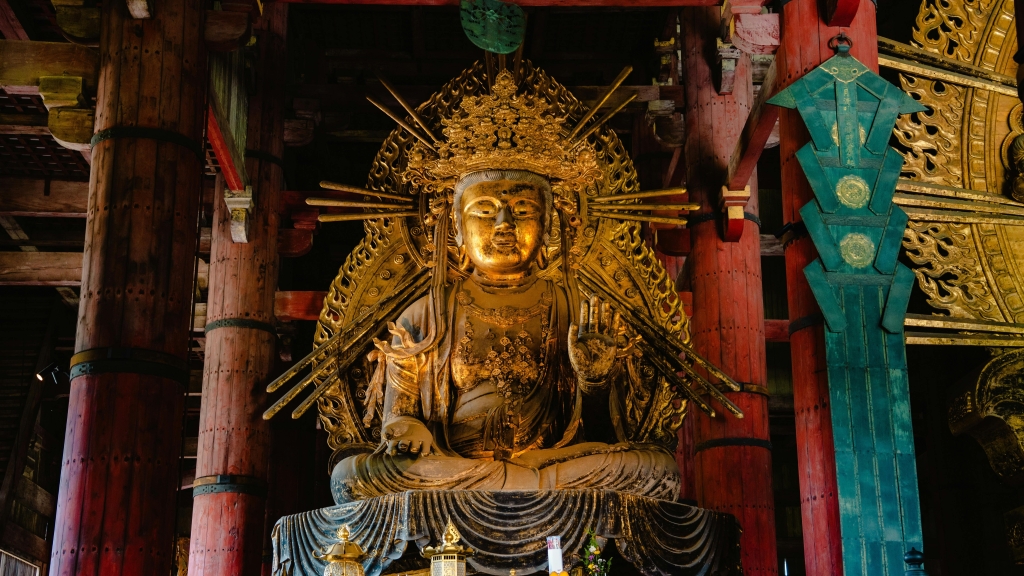
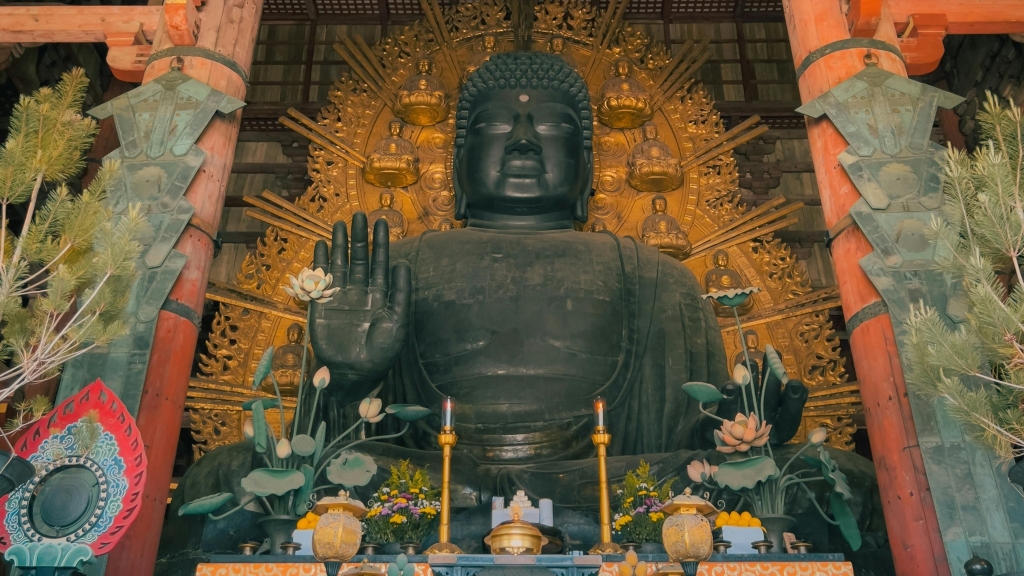
Todai-ji Temple, attached to the infamous Nara Deer Park, is well worth the 1.5-hour drive from Kyoto, Japan. Todai-ji was constructed in 752 as the head temple of all of Japan’s provincial Buddhist temples. Not only does Todai-ji contain Japan’s largest Buddhist statue, but it is also the world’s largest wooden building(!).
13th Century AD – Buddhism in Thailand
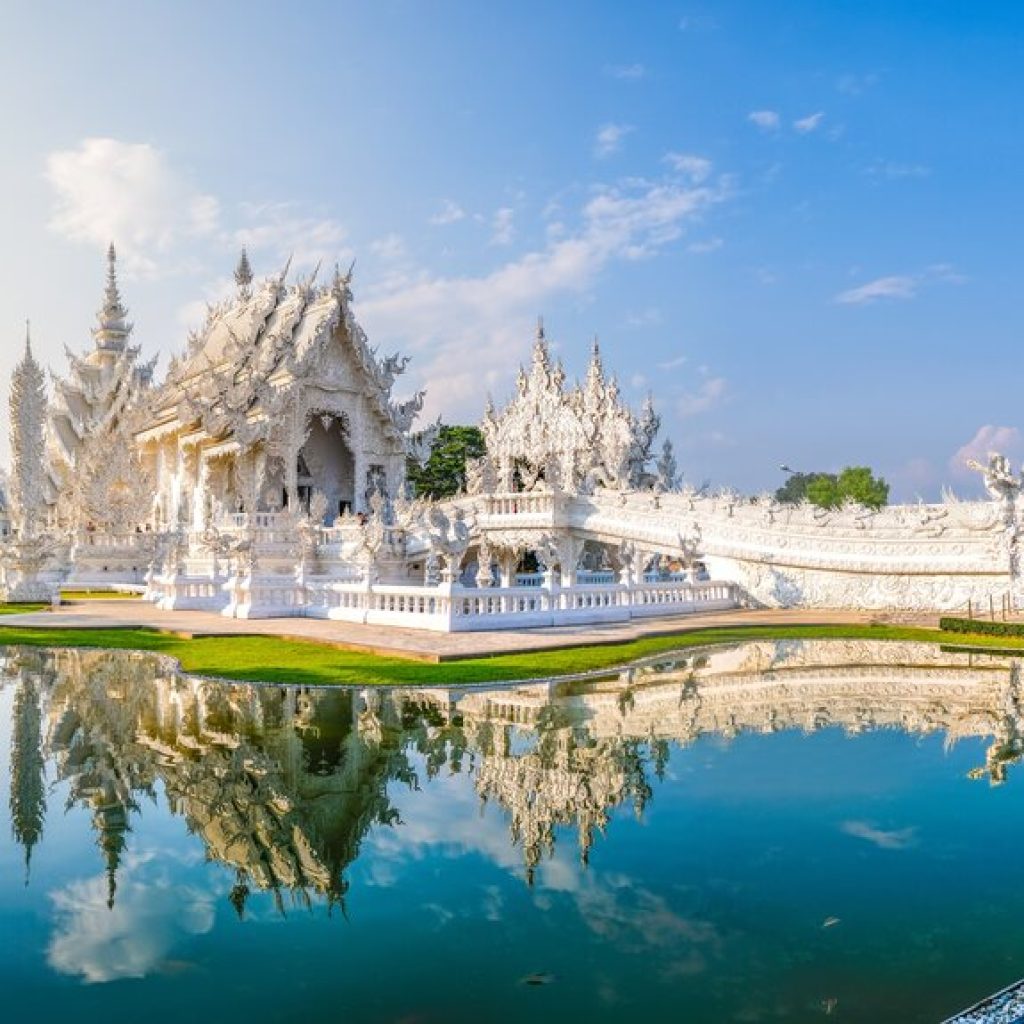
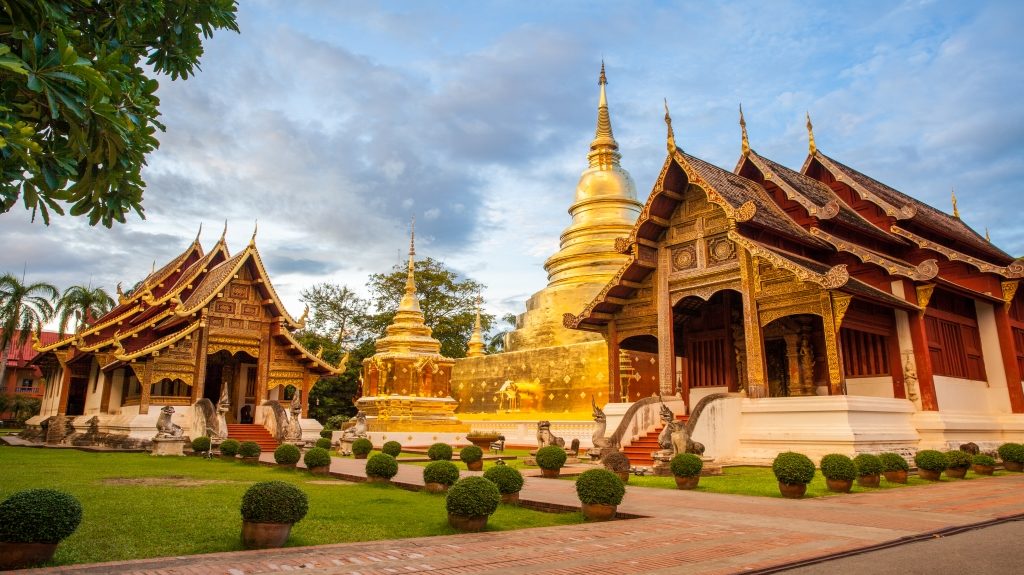
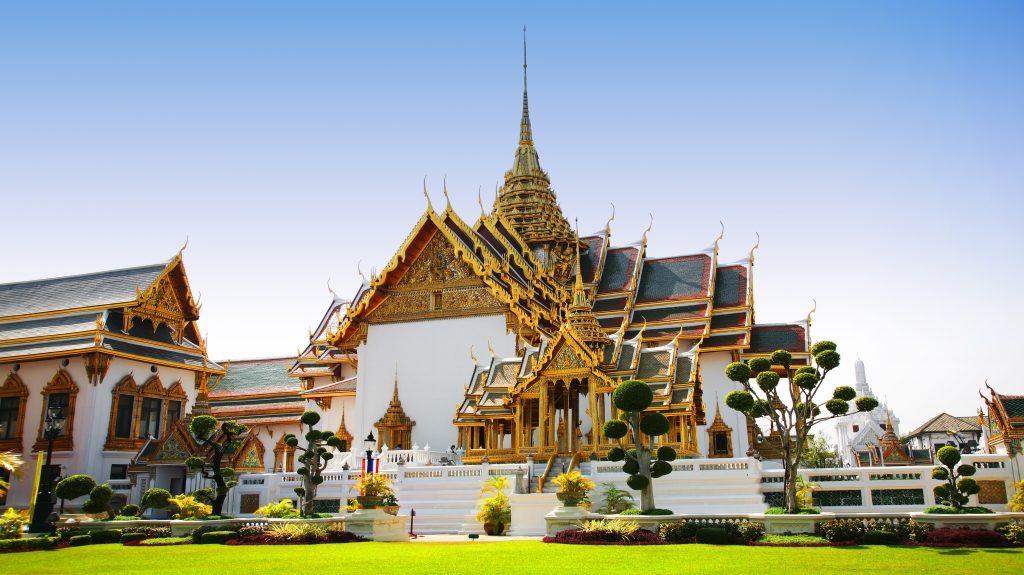
By the 13th century AD, Theravada Buddhism had firmly established itself as the dominant religious tradition throughout Thailand after spreading outward from Sri Lanka and neighboring Southeast Asian kingdoms.
Today, Buddhism continues to shape nearly every aspect of Thai culture, from temple architecture and festivals to everyday customs and spiritual practices.
14th Century AD – The Decline of Buddhism in India
By the 14th century AD, Buddhism largely declined in India following centuries of political upheaval and the rise of Hinduism after Islamic conquests across the region. Although Buddhism diminished in its birthplace, it continued flourishing throughout much of Asia.
17th Century AD – Buddhism in Taiwan and Modern China
In the 17th century, Chinese settlers brought Buddhism to Taiwan, where it remains widely practiced today.
Centuries later, Buddhism faced major challenges in mainland China during the Cultural Revolution beginning in 1966, when religious practice was heavily restricted. After Mao Zedong’s death in 1976, government policies gradually loosened, allowing Buddhist traditions and places of worship to reemerge.
Buddhism Today & Our Favorite Buddhist Destinations!
Today, approximately 330 million people practice Buddhism worldwide and remains the majority religion in several Asian countries. Across many of our favorite Asian countries (Nepal, Sri Lanka, Thailand, Japan, Bhutan, Cambodia, and Myanmar), Buddhist traditions continue to influence art, cuisine, architecture, philosophy, and everyday life.
Please see our favorite Buddhist-centered destination itineraries below:
Luxury Bhutan Private Tour with Optional India Extension


