
The Train
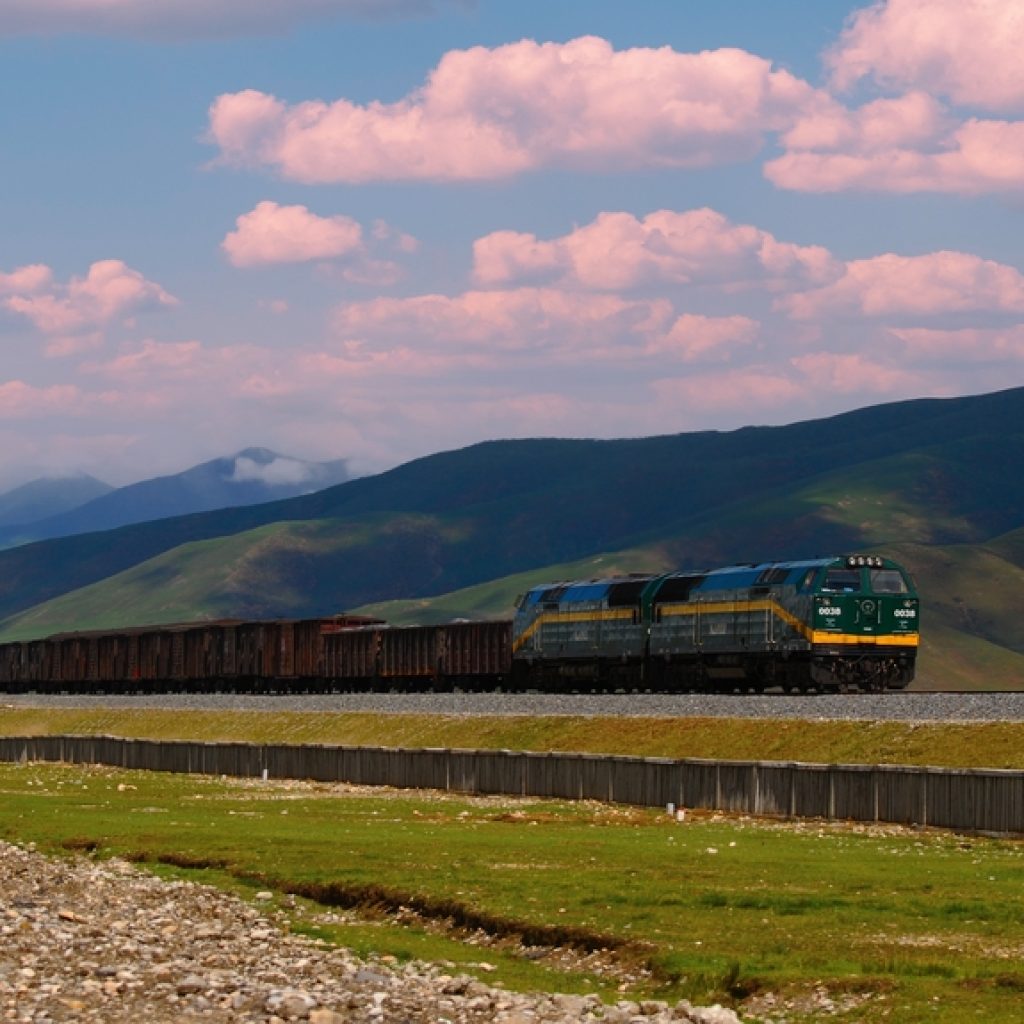
Opened in 2006, the train from Xining to Lhasa allows train riders’ bodies’ time to acclimate to the high-altitude climate, which decreases the chance of altitude sickness. While there are train options starting from cities like Beijing and Lhasa, all trains to Lhasa meet in Xining, so we feel that it is the best starting point. The No. Z801, the Xining-based train, has more carriages allotted for all three classes of tickets and can therefore carry twice as many passengers. The track mostly follows the Qinghai-Tibet Railway, which passes breathtaking views. This 21–22-hour train ride passes Qinghai Lake, Yuzhu Peak of Kunlun Mountains, Hoh Xil (Kekexili) Nature Reserve, Tuotuo River, Tanggula Mountains, Qiangtang Grassland and Cona Lake.
The trains to Lhasa are specifically designed with its passenger’s comfort in mind as they acclimatize. The oxygen systems are intended for harsh conditions due to altitude change and even have oxygen outlets with a disposable pipe that can be distributed. It can help minimize headaches, dizziness, fatigue, nausea, etc. as altitude changes occur. The train is also air conditioned for comfortable traveling temperature. Soft sleeper cabins come with room below the lower bunk for luggage, space for a small bag by the corner of the bed, and an upper storage area above the door. They allow for more privacy, with 4 beds total, and more spacious experience. Hard sleepers have room below the bottom bunk and luggage room above the narrow aisle. This cabin also contains 4 beds but is more economical. For passengers with a hard seat, there is a public luggage rack to put large belongings. There is a dining car in the middle of the train where formal, traditional Chinese food is served for about $25-$50 per person. Please note that the meals are paid for in cash, WeChat, or Alipay. Boxed meals and snacks are also available for something a little easier. Vegetarian options are also available. While the carriage does serve alcohol, more than a few drinks are not recommended as it can inhibit your acclimatization.
Stopovers
Qinghai Lake
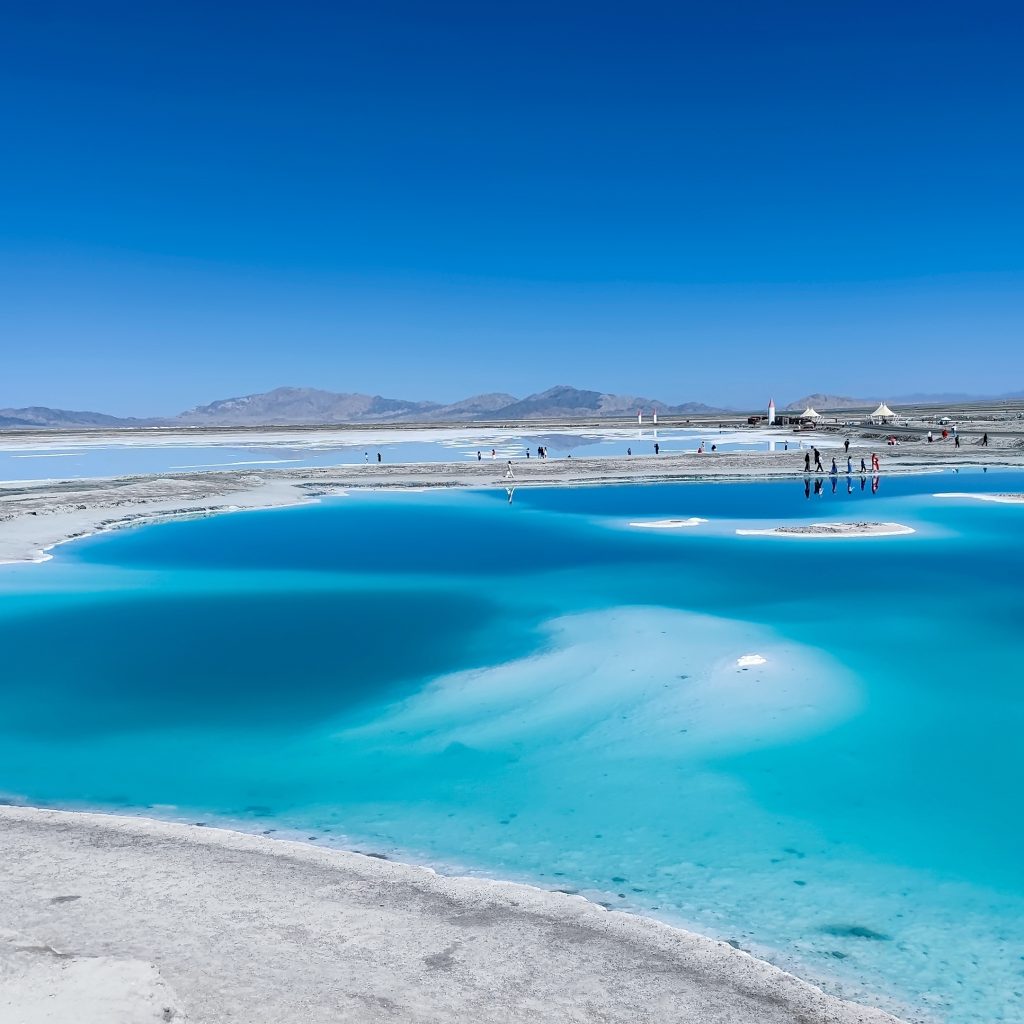
Notably the largest lake in China, Qinhai Lake is a salt lake with a surface area of 4,317 km2 (1,667 sq mi), an average depth of 21 m (69 ft) and elevation of 3,360 meters (10,696 ft). Qinghai Lake is also one of the four sacred lakes for Tibetans and Tibetan Buddhists. There is a Tibetan folk custom of walking around the lake in the year of the goat, circling the mountains in the year of the horse and circling the forest in the year of the monkey.
Yuzhu Peak
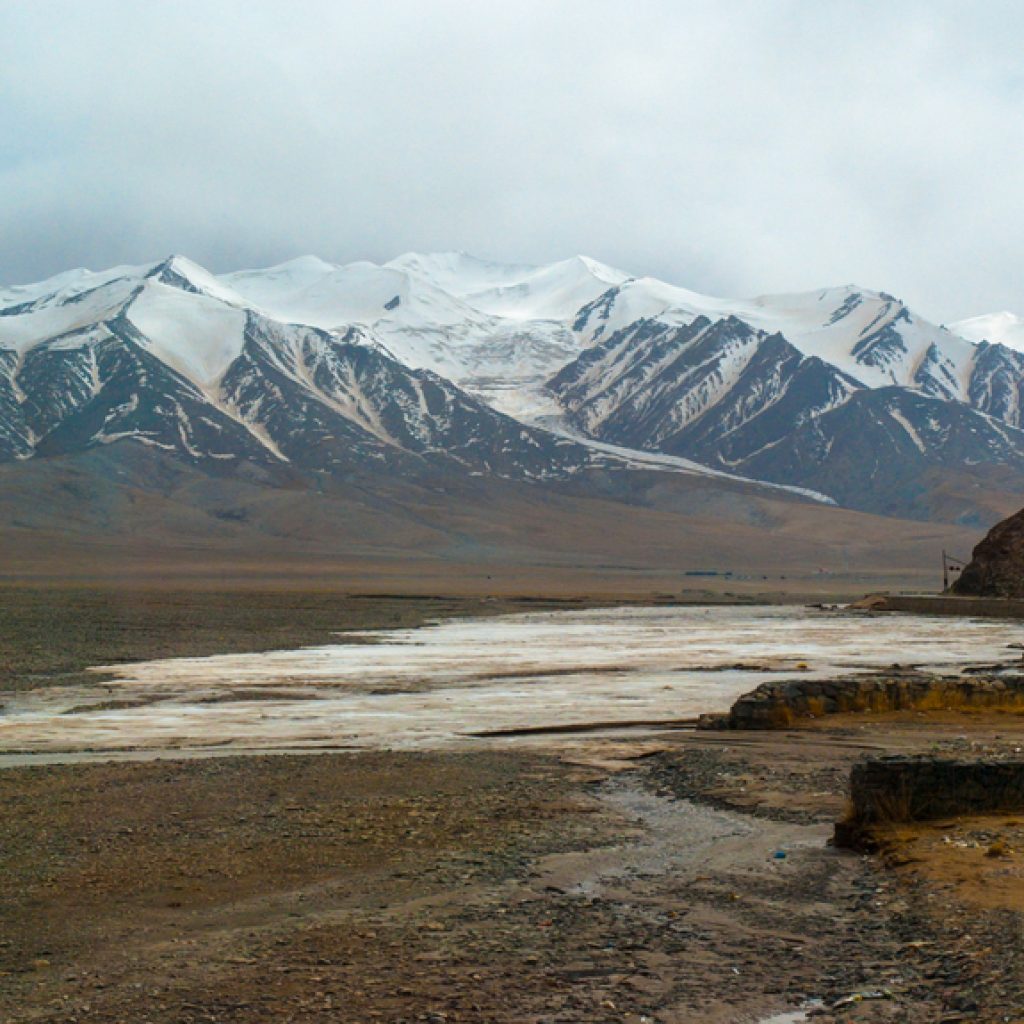
Covered in snow year-round, this mountain features numerous glaciers which create a dramatic landscape with hanging ice formations and alpine meadows. At a height of 6,178 meters (approx. 20,269 ft) above sea level, the local Angla Village supports climbers with entry-level climbing routes, guides and facilities.
Kunlun Mountains
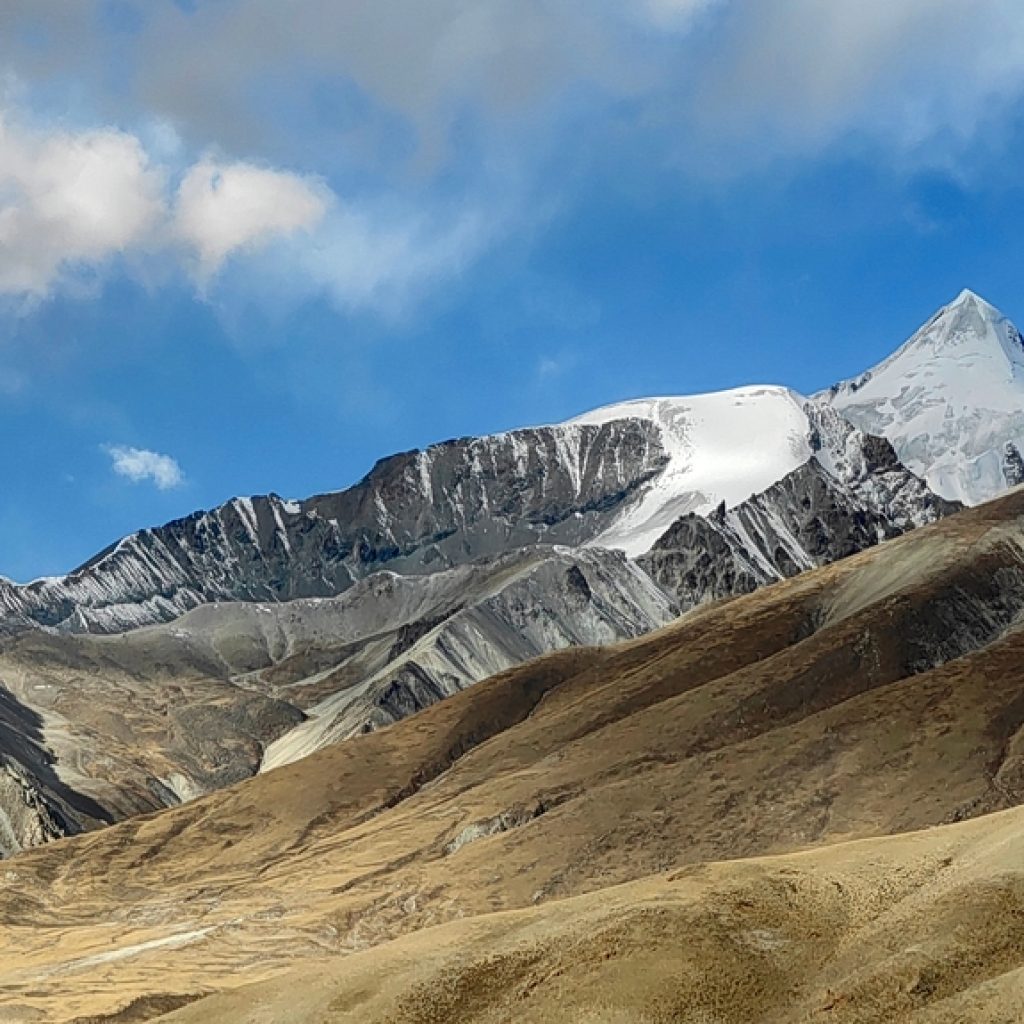
Known as the Chinese version of Mount Olympus, this mountain range stretches more than 2,500km (1,864 mi), with an altitude range of 5,000-6,000 meters (18,000-19,000 ft) and includes 76 named peaks. Mythical figures such as Pangu (盘古), who created the universe, and Nüwa (女娲), who mended a hole in the sky with smelted stones dwell in the mountains. The northern foothills of the Kunlun’s were also a part of the southern rout of the ancient Silk Road.
Hoh Xil/Kekexili Nature Reserve
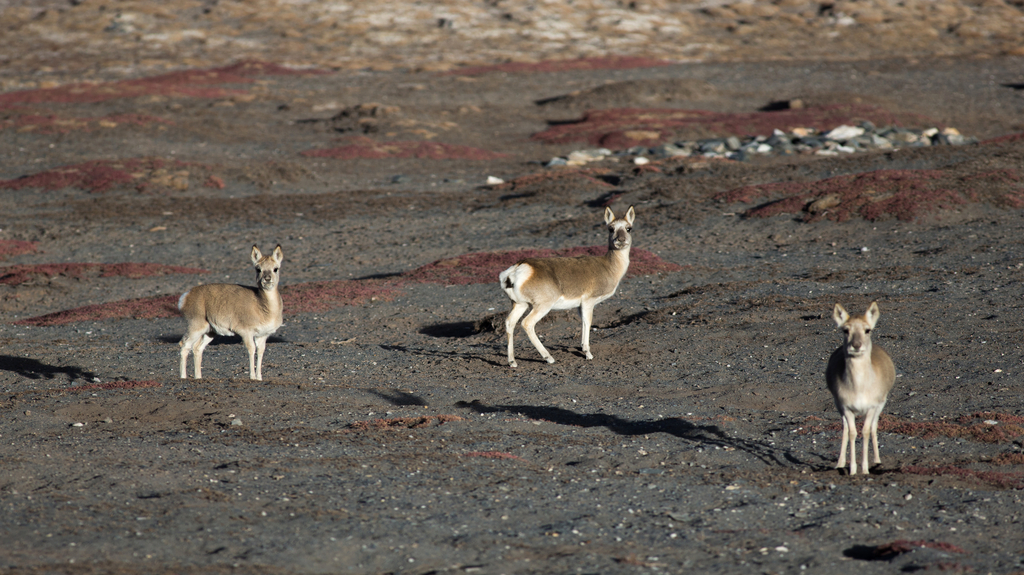
Home to over 230 species of wild animals, Kekexili Nature Reserve is the largest (83,000 sq km/32,046 sq mi) and highest (4,800 meters/15,748 ft) nature reserve with one of the most diverse floor and fauna in China. Hoh Xil is home to animals such as Tibetan antelope, wild yak and Tibetan wild ass, White-lipped deer and brown bears. If you take the train from May to July, you have a higher chance of catching a glimpse of Tibetan antelopes migrating.
Tuotuo River
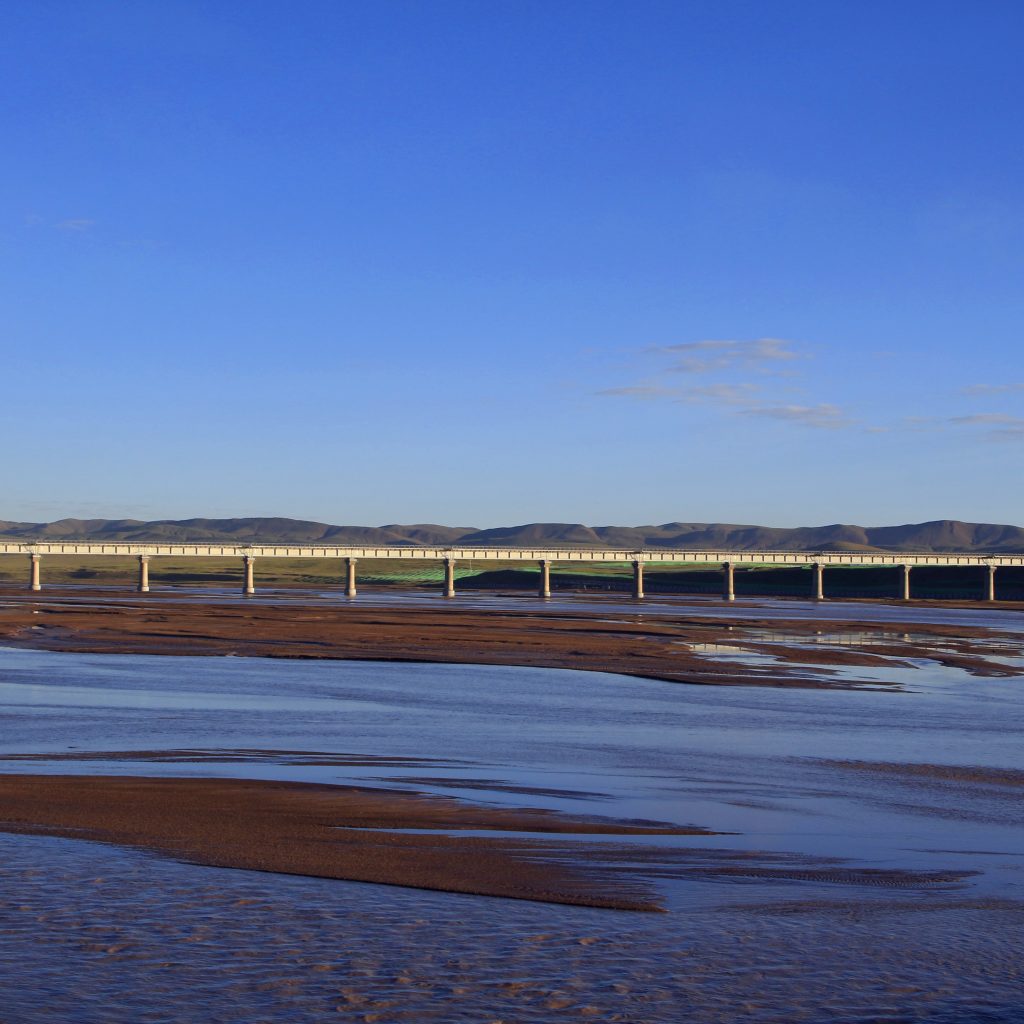
Originating from glacier run off from the Tanggula Mountains, the Tuotuo River, also known as the “Red River” in Mongolian, forms the source of the Yangtze River. Standing at an altitude of 4,500-4,900 meters (14,764-16076 ft), the train passes over the impressive river via the vast Tuotuo River Bridge (1389.6 meters/4559.06 ft with 42 piers).
Tanggula Mountain
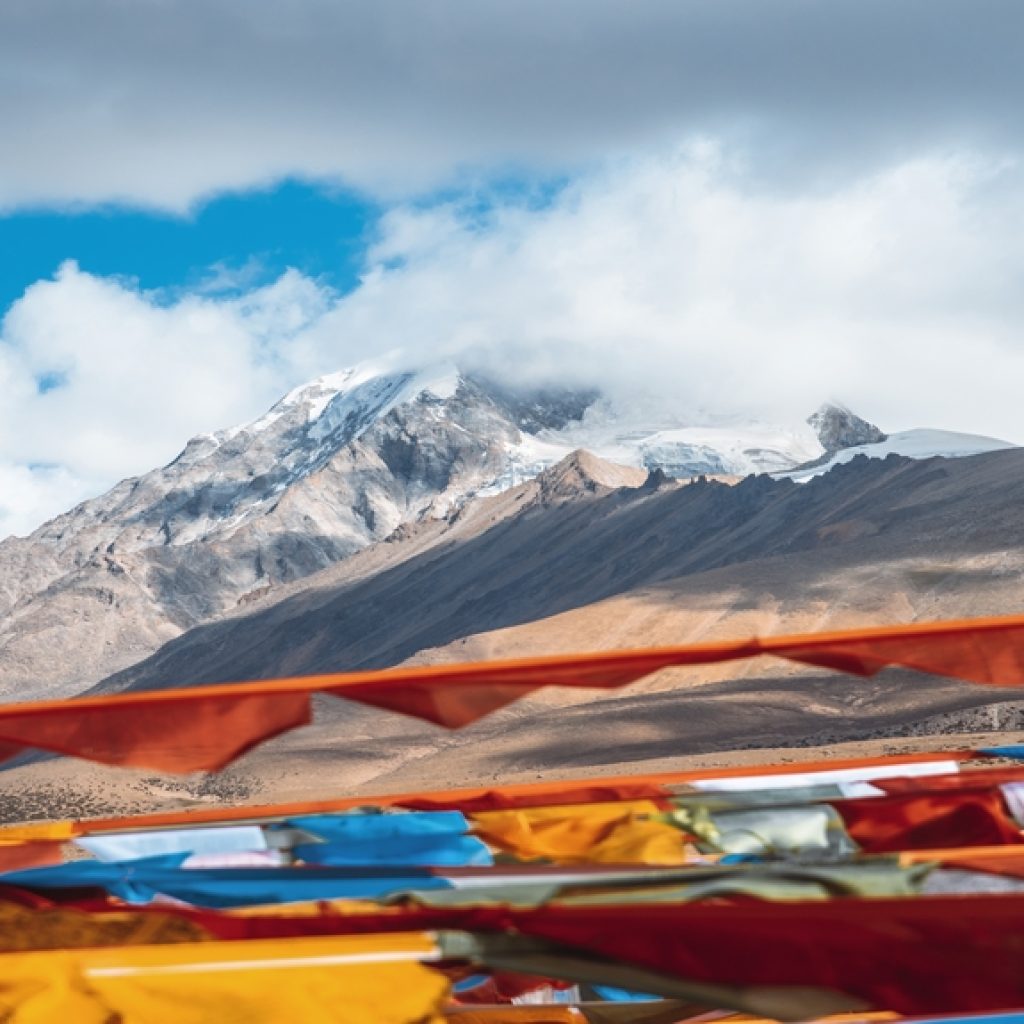
The Tanggula Mountain Pass is the train’s highest setting at a height of 5,072 meters (16,640 ft). The famous Tanggula Railway station is located below the pass at an elevation of 5,068 meters (16,627 ft). “Tanggula” translates to “mountains not to be passed by flying eagles” in Tibetan, referring to the mountain’s immense height and difficulty.
Qiangtang Grassland
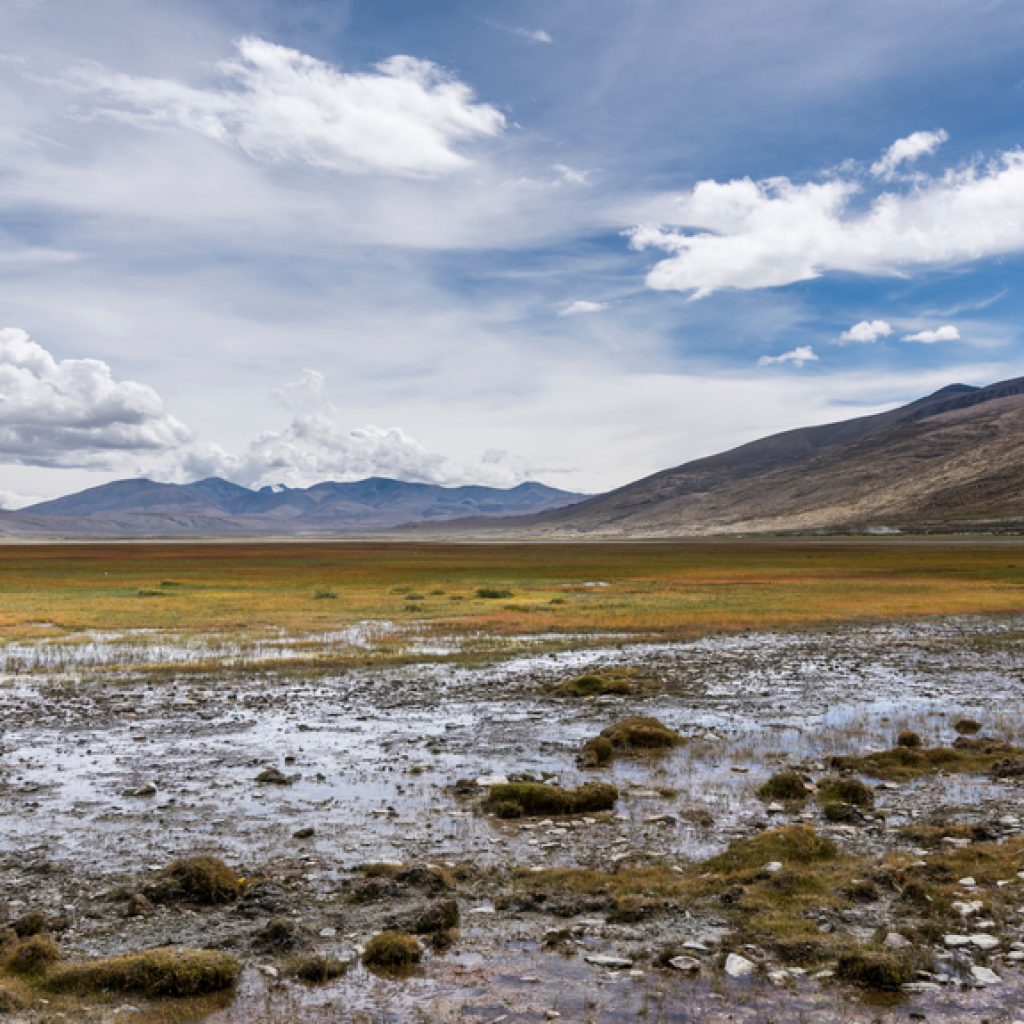
Qiangtang, which means “northern highland,” refers to the north Tibetan plateau located among the Kunlun, Tanggula, and Gangdise Mountains. With an average altitude of over 4,500 meters (14,760 ft) you can see vast prairies and glaciers, numerous mountains and lakes, hot springs, and terrestrial heats in this reserve. The Nagqu Qiangtang Horse-racing Festival is held annually from August 10 to 16.
Cona Lake
With an altitude of 4,650 meters/15,256 feet, Cona Lake is the highest freshwater lake in the world, attracting thousands of tourists annually. It is worshiped by the locals as a holy lake, every year on the first day of the traditional Tibetan lunar calendar, herdsmen in Amdo get up early and head to this holy lake to seek blessings from God of this lake, especially in the year of Dragon. It is said that doing the Kora around Cona Lake can help one rid one of the sins and misery of their entire life and bless thriving livestock.


